
With over 15 years of experience, we are committed to delivering local, quality, and trusted pest control solutions to our customers.


Water bugs, often mistaken for cockroaches, are a common nuisance in Florida. These pests, also known as the 'Florida Toe Biter' thrive in humid environments and can be difficult to manage once they invade your home. Here’s how to identify water bugs and control their presence effectively.
Identifying Water Bugs
• Appearance: Water bugs are large, oval-shaped insects that can grow up to 2 inches in length. They are typically dark brown or black and have long antennae.
• Habitat: Water bugs are commonly found near water sources such as ponds, streams, and swimming pools. They can also be found indoors in kitchens, bathrooms, and basements.
• Behavior: Unlike cockroaches, water bugs are often found in water. They are also more likely to be active during the day, while cockroaches are nocturnal and prefer to hide in dark, damp places.

Common Types of Water Bugs in Florida
1. Giant Water Bug
• Also known as “toe biters,” these large insects are found in freshwater habitats. They are predatory and can deliver a painful bite if handled.
2. Water Boatman
• These small, oval-shaped bugs are often found swimming in ponds and streams. They feed on algae and plant material.
3. Banded Water Bug
• Recognizable by their striped appearance, banded water bugs are often found in still or slow-moving water. They feed on other insects and small aquatic creatures.
Effective Control Methods
1. Maintain Cleanliness
• Regular Cleaning: Keep your home clean and free of food debris. Pay special attention to kitchens and bathrooms where water bugs are likely to be found.
• Garbage Disposal: Dispose of garbage regularly and use sealed trash bins.
2. Eliminate Water Sources
• Fix Leaks: Repair any leaks in pipes and faucets to eliminate water sources.
• Drain Standing Water: Remove standing water around your home, including puddles, bird baths, and clogged gutters.
3. Seal Entry Points
• Inspect and Seal: Check for cracks and gaps around doors, windows, and the foundation of your home. Seal these openings with caulk or weatherstripping.
4. Professional Pest Control
• Expert Help: For severe infestations, contact a professional pest control service. TruCore Pest Protection offers comprehensive water bug control solutions tailored to your needs.

Conclusion
Water bugs can be a persistent problem in Florida, but with proper identification and effective control methods, you can keep your home pest-free. Regular cleaning, eliminating water sources, sealing entry points, and using insecticides can help manage their presence. If you need professional assistance, TruCore Pest Protection is here to help. Visit our Contact Us page or call us at 904-240-1464 for expert pest control services.

Prevention
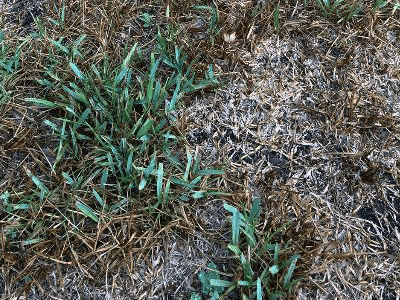
Catching chinch bugs early is the key to saving your lawn. Learn the earliest warning signs, two simple ways to confirm an infestation, and how to prevent chinch bugs from taking hold in the first place.

Pests
Learn how to identify aquatic midges and reduce swarms near your home with tips from TruCore Pest Protection.

Prevention
Learn how to spot sod webworm damage in your Florida lawn and the best treatment and prevention options from TruCore Pest Protection.