
With over 15 years of experience, we are committed to delivering local, quality, and trusted pest control solutions to our customers.

Early Signs of Chinch Bugs in Your Lawn (and How to Prevent Them)
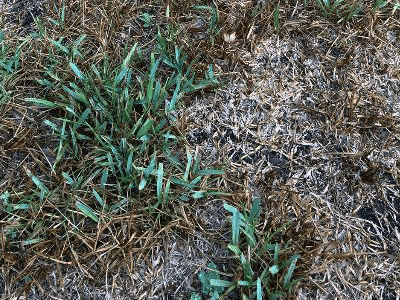
By the time most Jacksonville homeowners notice chinch bug damage, the pest has already been feeding for weeks. The good news: chinch bugs give off warning signs long before your lawn turns brown, and catching them early is the single biggest factor in whether your grass survives. Here's what to watch for, how to confirm an infestation before it spreads, and how to keep chinch bugs from taking hold in the first place.
Why Catching Chinch Bugs Early Matters
The southern chinch bug is the most damaging insect pest of St. Augustine grass in Florida — the turf variety in the vast majority of Jacksonville lawns. Chinch bugs feed by draining sap from the grass, and once a patch turns brown and dead in the center, that grass isn't coming back; it has to be replaced. Spotting the problem while the damage is still yellow, not brown, is what separates a quick treatment from a full lawn renovation.
What Chinch Bugs Look Like at Each Stage
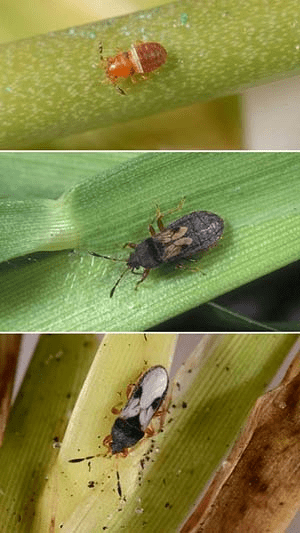
Young chinch bugs (nymphs) are orange with a white stripe across their back and are easy to miss since they're smaller than a grain of rice. As they mature, they become black with white-marked wings and orange legs — even fully grown, adults are only about a fifth of an inch long. They hide low in the thatch and between grass blade sheaths, which is why they're rarely seen just by looking at the lawn's surface.
Don't Confuse Them With a Beneficial Look-Alike
Not every small black-and-white insect in your lawn is a chinch bug. Big-eyed bugs look similar at a glance but are actually predators that eat chinch bugs — they're on your side. Correct identification matters before treating, since killing off big-eyed bugs removes a natural check on the chinch bug population.
The Earliest Warning Signs to Watch For
• Yellowing before browning: Look for irregular yellow patches, especially in full sun or along driveways and sidewalks where reflected heat is highest — these are usually the first areas hit.
• Patches that keep spreading: Chinch bugs live in groups and feed outward, so a patch that keeps growing despite regular watering is a red flag, not ordinary drought stress.
• Damage near heat-reflective surfaces: Chinch bugs are drawn to warm, dry turf, so damage often starts along pavement edges before showing up in the middle of the lawn.
• No improvement after watering: If a dry-looking patch doesn't green back up after a few good waterings, that's a sign it may be a pest problem, not a watering problem.
Two Simple Tests to Confirm an Infestation
1. The vacuum test: Run a handheld or shop vacuum over about one square foot of grass where healthy and damaged turf meet. Empty the debris onto a white sheet of paper or light-colored tray and look for small black-and-white or orange insects.
2. The float test: Cut both ends out of a coffee can, push it a couple of inches into the soil at the edge of a damaged patch, and fill it with water. Keep it topped off for five to ten minutes — chinch bugs will float to the surface if they're present.
Preventing Chinch Bugs Before They Start
• Water correctly: Poor irrigation distribution and drought-stressed turf are far more attractive to chinch bugs. Deep, even watering helps keep grass resilient.
• Mow at the right height: Cutting St. Augustine grass too short stresses the turf and makes it easier for chinch bugs to reach the soil-level thatch where they live.
• Don't over-fertilize with nitrogen: Excess nitrogen produces lush new growth that chinch bugs are drawn to — stick to a balanced feeding schedule.
• Manage thatch buildup: Thatch is prime chinch bug habitat. Keeping irrigation, mowing, and fertilization on track naturally keeps thatch from accumulating.
• Scout regularly: A quick walk through the yard every couple of weeks during the warm months makes it far more likely you'll catch a new infestation while it's still a small, easily treated patch.
When to Call a Professional
If you've confirmed chinch bugs or you're seeing spreading yellow patches you can't explain, don't wait — by the time large areas turn brown, the grass is often already dead. TruCore Pest Protection's Lawn Care team can inspect your lawn, confirm the cause, and treat it before it spreads further. For more on treatment options once an infestation is confirmed, see our guide to Chinch Bug Signs, Damage, and Treatment.
Contact TruCore Pest Protection Today
Catching chinch bugs early can save your lawn from having to be replaced. Visit TruCore Pest Protection, reach out through our Contact Us page, or call or text us at 904-240-1464 to schedule a lawn inspection.

Prevention
Catching chinch bugs early is the key to saving your lawn. Learn the earliest warning signs, two simple ways to confirm an infestation, and how to prevent chinch bugs from taking hold in the first place.

Pests
Learn how to identify aquatic midges and reduce swarms near your home with tips from TruCore Pest Protection.

Prevention
Learn how to spot sod webworm damage in your Florida lawn and the best treatment and prevention options from TruCore Pest Protection.