
With over 15 years of experience, we are committed to delivering local, quality, and trusted pest control solutions to our customers.


Aquatic Midges: Identification, Nuisance, and Control
If you live near a pond, lake, retention basin, or other still water in Jacksonville, you've probably seen clouds of tiny flying insects gathering near outdoor lights on warm evenings. These are usually aquatic midges—harmless to bite from, but a serious nuisance in large numbers. Here's how to identify midges, understand why they swarm, and keep them away from your home.
What Are Aquatic Midges?
Midges (family Chironomidae) are small, delicate flies that breed in ponds, lakes, retention ponds, and other bodies of standing water. They're frequently mistaken for mosquitoes because of their similar size and shape, but midges do not bite and do not transmit diseases. Adults measure about 0.2 to 0.5 inches long and range from pale tan to dark brownish-black.
Identifying Midges
• Antennae: Male midges have bushy, feathery antennae, while females have thin, thread-like antennae.
• Wings: Their wings are clear and unmarked, and they hold their long front legs extended forward from the body at rest.
• No biting mouthparts: Unlike mosquitoes, midges cannot pierce skin, so they don't bite or feed on blood.
• Larvae: Midge larvae are thin, segmented, worm-like, and live in the mud and sediment of ponds and other water bodies. Some species contain hemoglobin that gives them a reddish color, earning them the nickname “bloodworms.”
• Swarming behavior: Adults may produce a faint, high-pitched humming sound when swarming in large numbers to mate.
Why Midges Swarm Near Your Home
Midges breed in ponds, lakes, retention basins, and stormwater management areas common throughout Jacksonville neighborhoods. Adults emerge in large numbers, usually for just a few weeks at a time, and are strongly drawn to outdoor lighting near homes and structures close to their breeding sites. Excess nutrients from fertilizer runoff can also boost midge populations in and around residential ponds.
Are Midges Harmful?
Midges don't bite and don't spread disease, but large swarms are still a genuine nuisance. They can cover siding, windows, porches, and vehicles, and dense swarms occasionally trigger allergy or asthma symptoms in sensitive individuals due to shed skins and body fragments. Because they're strong fliers in a weak sense but poor navigators, they tend to cluster wherever there's light, making porches and entryways a common gathering point.
Control and Prevention
• Reduce outdoor lighting: Turn off unnecessary outdoor lights at night, or switch to motion-activated or lower-intensity fixtures to limit the number of midges attracted to your home.
• Close blinds and shades: Lowering shades at night during peak emergence periods keeps indoor light from attracting clustering adults.
• Seal entry points: Make sure doors and windows have tight-fitting screens and weatherstripping in good repair to keep midges from getting inside.
• Manage nutrient runoff: If you have a pond or water feature on your property, reducing fertilizer runoff and maintaining buffers around the water can help limit larval populations.
• Professional pest control: Because midges breed in open water, treating the water itself isn't practical or advisable. A professional pest control service can help manage adult populations around your home's exterior and identify the conditions drawing them in. TruCore Pest Protection offers targeted treatments to reduce nuisance midge and other flying insect activity around Jacksonville homes.
Contact TruCore Pest Protection Today
If midge swarms are taking over your porch, patio, or pool area, TruCore Pest Protection can help. Visit our Contact Us page or call us at 904-240-1464 to schedule a consultation.

Prevention
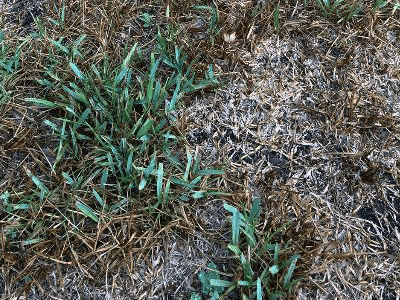
Catching chinch bugs early is the key to saving your lawn. Learn the earliest warning signs, two simple ways to confirm an infestation, and how to prevent chinch bugs from taking hold in the first place.
Pests
Learn how to identify aquatic midges and reduce swarms near your home with tips from TruCore Pest Protection.

Prevention
Learn how to spot sod webworm damage in your Florida lawn and the best treatment and prevention options from TruCore Pest Protection.