
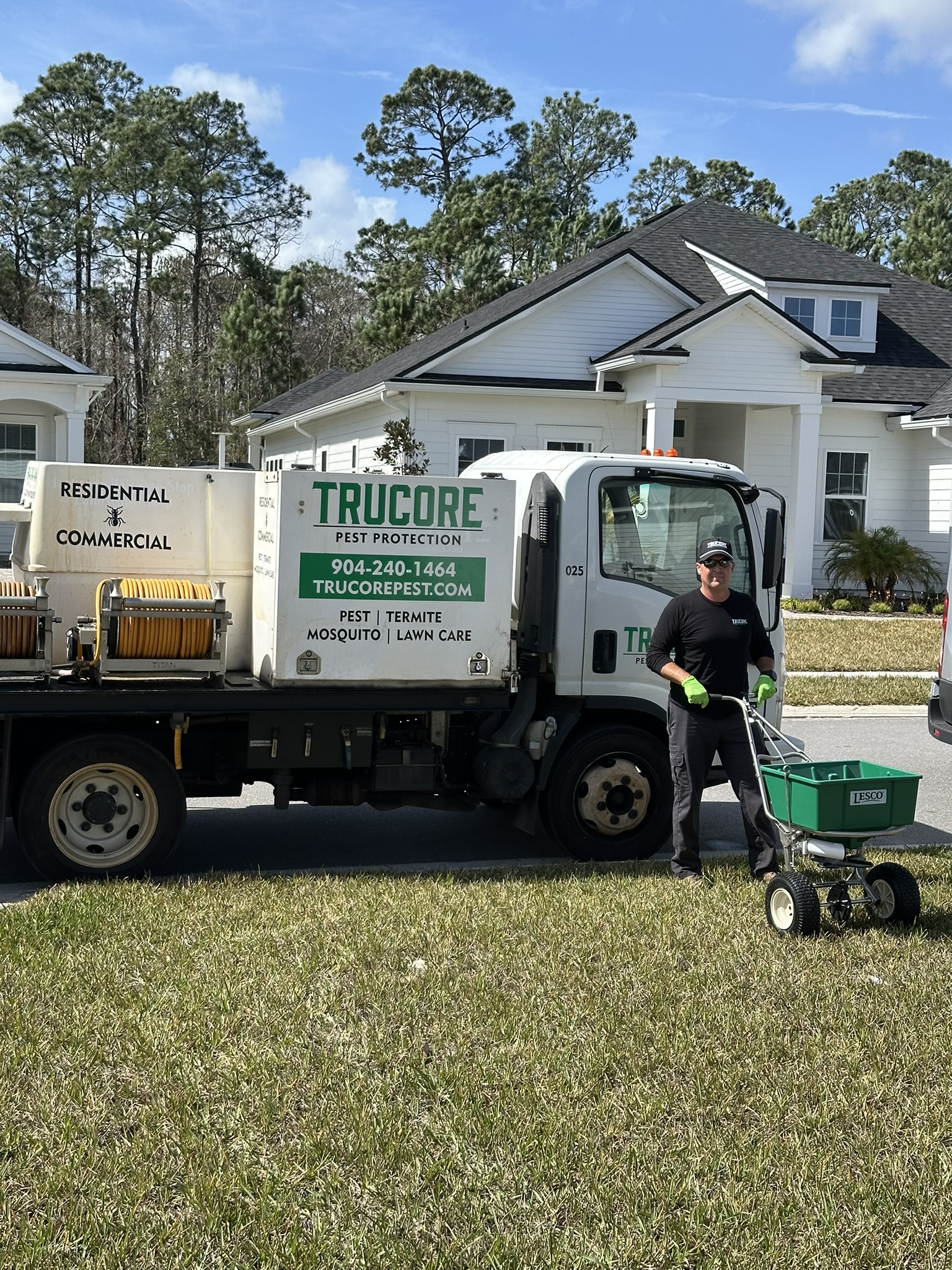
With over 15 years of experience, we are committed to delivering local, quality, and trusted pest control solutions to our customers.

What Are Chinch Bugs?
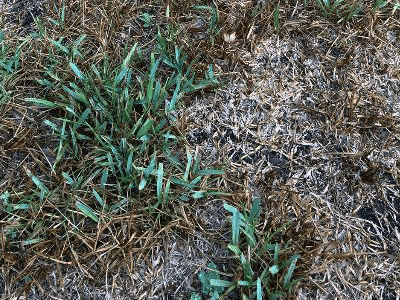
Chinch bugs are small, fast-moving insects that feed on St. Augustine grass, the most common lawn variety in Jacksonville yards. As they feed, they inject a toxin that blocks the grass's ability to take up water, causing patches of lawn to turn yellow, then brown, and eventually die — damage that's often mistaken for drought stress.
Signs of a Chinch Bug Infestation
The first sign is usually an irregular patch of yellowing grass that keeps spreading despite regular watering. Chinch bug damage typically starts in the hottest, sunniest parts of the lawn — along driveways, sidewalks, and other reflective heat sources — and expands outward if left untreated. Parting the grass at the edge of a damaged patch will often reveal small black-and-white insects moving through the thatch.
Why Summer Makes Chinch Bug Damage Worse
Chinch bug populations explode during Florida's hottest, driest stretches, and heat-stressed lawns are far less able to recover from their feeding damage. A lawn that looks like it's struggling with normal summer stress can actually be losing ground to an active chinch bug infestation, and by the time large dead patches appear, the damage is often already severe.
Treatment Options
Effective chinch bug control starts with an accurate inspection to confirm the pest and assess how far the infestation has spread, since treating for the wrong lawn problem wastes time while the damage continues. From there, targeted insecticide applications combined with a healthy watering and mowing schedule give the lawn the best chance to recover and resist reinfestation.
Preventing Future Infestations
Healthy, properly maintained lawns are naturally more resistant to chinch bugs. Consistent fertilization, correct mowing height, and avoiding over-watering (which chinch bugs don't mind, but many lawn diseases do) all help keep turf strong enough to withstand light feeding pressure without visible damage.
Protect Your Jacksonville Lawn
If you're seeing yellow or brown patches spreading through your lawn this summer, don't wait for it to get worse. TruCore Pest Protection's Lawn Care team can inspect your yard, confirm whether chinch bugs are the cause, and get your lawn back on track. Call or text us at 904-240-1464, or reach out through our Contact Us page.
Prevention
Catching chinch bugs early is the key to saving your lawn. Learn the earliest warning signs, two simple ways to confirm an infestation, and how to prevent chinch bugs from taking hold in the first place.

Pests
Learn how to identify aquatic midges and reduce swarms near your home with tips from TruCore Pest Protection.

Prevention
Learn how to spot sod webworm damage in your Florida lawn and the best treatment and prevention options from TruCore Pest Protection.