
With over 15 years of experience, we are committed to delivering local, quality, and trusted pest control solutions to our customers.

What Are Fire Ants?
Red imported fire ants (Solenopsis invicta) are one of the most widespread lawn pests in Florida. Unlike many native ant species, fire ants build large, dome-shaped mounds in open, sunny areas of the yard and defend them aggressively. A single mound can house tens of thousands of ants, and a typical Jacksonville yard can have several mounds at once, especially after warm, rainy weather.
How to Identify a Fire Ant Mound
Fire ant mounds are usually loose, fluffy-looking piles of soil 6 to 18 inches wide, often found in lawns, along sidewalks, near irrigation boxes, and at the base of trees. Unlike some ant mounds, fire ant mounds typically have no single visible entry hole — ants tunnel out through the soil from underneath when the mound is disturbed. If you see a mound that erupts with ants within seconds of being bumped or stepped near, it's very likely a fire ant colony.
Health Risks of Fire Ant Stings
Fire ants sting rather than bite, injecting venom that causes an intense burning sensation followed by an itchy, fluid-filled pustule that can last for days. For most people this is uncomfortable but not dangerous. However, some individuals experience a serious allergic reaction, and multiple stings from a disturbed mound can be especially risky for young children, elderly family members, and pets. Because fire ants attack in large numbers when their mound is disturbed, even a brief encounter with a hidden mound can result in dozens of stings.
Why Fire Ants Thrive in Jacksonville Yards
Northeast Florida's warm climate, sandy soil, and frequent summer rainfall create ideal conditions for fire ant colonies to establish and spread quickly. Irrigated lawns, mulched garden beds, and areas near structures with consistent moisture are particularly attractive to new queens looking to start colonies. Without treatment, a single yard can end up hosting a dozen or more active mounds within a season.
Professional Fire Ant Control
Over-the-counter mound treatments often only kill the ants at the surface, leaving the queen and the rest of the colony intact underground to rebuild within weeks. TruCore Pest Protection uses a combination of targeted mound treatments and broadcast baiting to eliminate entire colonies at the source, including satellite colonies that haven't formed visible mounds yet. Our technicians also identify the conditions drawing fire ants to your property and recommend adjustments to reduce the chances of reinfestation.
Schedule a Fire Ant Inspection
If you're seeing fire ant mounds in your Jacksonville yard, don't wait for someone to get stung. Call or text TruCore Pest Protection at 904-240-1464, or reach out through our Contact Us page, to schedule an inspection and get your yard back under control.
Prevention
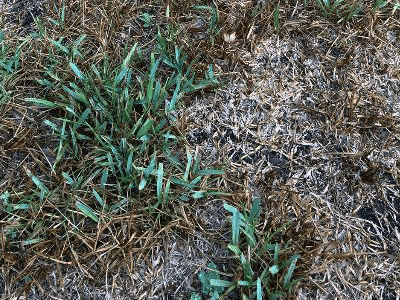
Catching chinch bugs early is the key to saving your lawn. Learn the earliest warning signs, two simple ways to confirm an infestation, and how to prevent chinch bugs from taking hold in the first place.

Pests
Learn how to identify aquatic midges and reduce swarms near your home with tips from TruCore Pest Protection.

Prevention
Learn how to spot sod webworm damage in your Florida lawn and the best treatment and prevention options from TruCore Pest Protection.