
With over 15 years of experience, we are committed to delivering local, quality, and trusted pest control solutions to our customers.


Sod Webworms in Florida Lawns: Identification, Damage, and Control
If patches of your St. Augustine or bahia lawn have turned brown and ragged seemingly overnight, sod webworms could be the culprit. These small caterpillars are one of the most common lawn pests in Jacksonville, and because they feed at night, homeowners often don't spot them until real damage has already been done. Here's how to identify sod webworms, understand the damage they cause, and treat an infestation before it spreads.
What Are Sod Webworms?
Sod webworms aren't actually worms—they're the larvae of small, tan to brown lawn moths. The tropical sod webworm (Herpetogramma phaeopteralis) is the primary species affecting lawns in Florida and across the Gulf Coast. Mature caterpillars grow to about ¾ to 1 inch long and are grayish-green, often appearing greener the more grass they've eaten. They favor St. Augustinegrass but will also feed on centipede, bahia, bermuda, and zoysia lawns.

Signs of Sod Webworm Damage
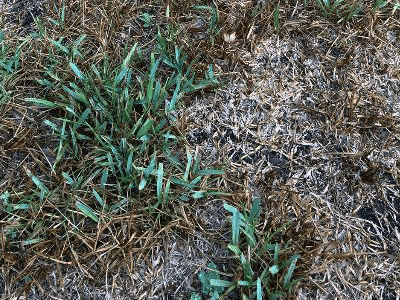
• Window feeding: The earliest sign is small, clear or transparent patches where caterpillars have scraped away the surface of the grass blade.
• Ragged, notched blades: As feeding continues, grass blades look chewed and uneven, and are noticeably shorter than surrounding turf.
• Thinning, brown patches: Heavily fed-on areas thin out and turn brown, often appearing to happen overnight even though the caterpillars have usually been feeding for days.
• Green droppings and silk webbing: Look closely near the thatch layer for tiny green fecal pellets or fine silk webbing the larvae spin for protection.
• Moths flushing from the grass: Small, dingy tan moths that scatter in short, erratic flights when you walk across the lawn are a sign adults are actively laying eggs.

Why Florida Lawns Are at Risk
Jacksonville's warm, humid climate lets sod webworms stay active from spring through fall, and populations can persist year-round in the warmest parts of the state. Overwatering, over-fertilizing, and thick thatch all create ideal conditions for caterpillars to hide and feed, which is why lawns that already look lush and healthy are often hit the hardest.
How to Confirm an Infestation
Before treating, confirm sod webworms are actually the cause. A simple soap flush test can help: mix a few tablespoons of dish soap into a gallon of water and pour it over a suspect area. Irritated caterpillars will surface within a few minutes, letting you see how many are present and confirm the correct pest before choosing a treatment.
Treatment and Control
• Targeted insecticide treatments: Products containing spinosad or Bacillus thuringiensis (Bt) target caterpillars effectively while going easier on beneficial insects. Treatments are most effective when applied in the late afternoon or evening, when larvae are actively feeding.
• Proper mowing height: Mowing at the correct height for your grass type reduces thatch buildup and stress that attracts webworms.
• Balanced watering and fertilizing: Avoid overwatering and over-fertilizing, both of which encourage excess thatch and lush growth that webworms prefer.
• Reduce outdoor lighting at night: Sod webworm moths are drawn to light. Turning off unnecessary outdoor lights can reduce egg-laying activity near your lawn.
• Professional lawn pest control: For lawns with repeat or severe infestations, a professional treatment plan catches problems earlier and targets caterpillars before extensive damage sets in. TruCore Pest Protection's lawn care program includes routine monitoring for sod webworms and other common Florida lawn pests.
Prevention Tips
Most Florida lawns will recover from mild sod webworm damage on their own once the caterpillars are controlled, as long as the turf isn't already stressed from drought, disease, or poor soil health. Regular inspections, especially during peak spring-to-fall activity, along with healthy mowing and watering habits, are the best defense against repeat infestations.
Contact TruCore Pest Protection Today
If your lawn is showing signs of sod webworm damage, don't wait for it to spread. TruCore Pest Protection offers lawn pest identification and treatment throughout Jacksonville, FL. Visit our Contact Us page or call us at 904-240-1464 to schedule a lawn inspection.

Prevention
Catching chinch bugs early is the key to saving your lawn. Learn the earliest warning signs, two simple ways to confirm an infestation, and how to prevent chinch bugs from taking hold in the first place.

Pests
Learn how to identify aquatic midges and reduce swarms near your home with tips from TruCore Pest Protection.
Prevention
Learn how to spot sod webworm damage in your Florida lawn and the best treatment and prevention options from TruCore Pest Protection.