
With over 15 years of experience, we are committed to delivering local, quality, and trusted pest control solutions to our customers.


Plaster Bagworms in Florida: Protecting Your Home and Trees from Damage
Plaster bagworms are a common sight around homes in Florida, often clinging to walls, fences, and trees. While they may seem harmless, these pests can actually cause damage to your property, particularly to trees and shrubs. Here’s what you need to know about plaster bagworms, how they can affect your trees, and what you can do to manage and prevent an infestation.
What Are Plaster Bagworms?
Plaster bagworms, also known as household casebearers, are the larvae of a moth species. These pests create small, spindle-shaped bags or cases made from silk and bits of debris, which they carry around as they move. The bags are typically about 1/4 to 1/2 inch long and can be found attached to surfaces like walls, fences, and tree trunks.
Do Plaster Bagworms Destroy Trees?
Yes, plaster bagworms can cause damage to trees, especially if they are present in large numbers. While they primarily feed on spider webs, lichens, and detritus, they can also chew on the bark and leaves of trees and shrubs. This feeding activity can weaken trees, making them more susceptible to other pests and diseases.

Identifying Plaster Bagworms
• Appearance: Plaster bagworms are small, cylindrical larvae that are light gray or brown in color. They create protective cases made from silk and debris, which they carry with them.
• Location: You can often find plaster bagworms on walls, fences, and tree trunks. They are commonly mistaken for small bits of debris or lint.
• Signs of Infestation: Look for the small, bag-like structures attached to surfaces around your home and on your trees. If you see an abundance of these bags, it could indicate a significant infestation.
How to Manage Plaster Bagworm Infestations
1. Manual Removal
• Hand-Picking: One of the simplest ways to manage plaster bagworms is to manually remove the bags from surfaces and trees. Use gloves to pick off the bags and dispose of them in sealed plastic bags.
2. Pruning Affected Trees
• Prune Infested Areas: If the infestation is localized, consider pruning the affected branches to remove the bagworms. This will help prevent further spread and reduce the pest population.
3. Insecticide Treatments
• Apply Insecticides: For larger infestations, insecticides labeled for bagworm control can be applied to affected areas. Be sure to follow the manufacturer’s instructions and consider consulting a professional pest control service for application.
4. Regular Cleaning
• Maintain Cleanliness: Keep the exterior of your home clean and free of debris that could attract plaster bagworms. Regularly sweep and wash down walls, fences, and other surfaces.

Preventing Future Infestations
• Regular Inspections: Conduct regular inspections of your home’s exterior and trees for signs of plaster bagworms. Early detection is key to preventing large infestations.
• Tree Care: Keep your trees healthy by watering, fertilizing, and pruning them as needed. Healthy trees are less likely to be severely affected by pests.
• Professional Pest Control: For ongoing prevention, consider scheduling regular pest control treatments with a trusted service like TruCore Pest Protection. Our experts can help protect your home and landscape from plaster bagworms and other pests.
Contact TruCore Pest Protection Today
If you’re dealing with plaster bagworms or want to protect your property from these pests, TruCore Pest Protection is here to help. Visit our Contact Us page or call us at 904-240-1464 to schedule a free consultation and learn more about our comprehensive pest control services.

Prevention
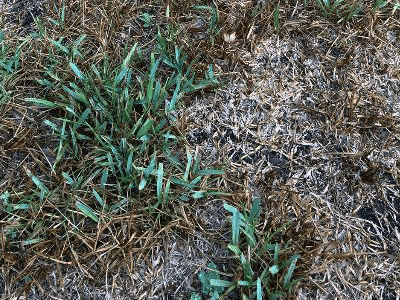
Catching chinch bugs early is the key to saving your lawn. Learn the earliest warning signs, two simple ways to confirm an infestation, and how to prevent chinch bugs from taking hold in the first place.

Pests
Learn how to identify aquatic midges and reduce swarms near your home with tips from TruCore Pest Protection.

Prevention
Learn how to spot sod webworm damage in your Florida lawn and the best treatment and prevention options from TruCore Pest Protection.