
With over 15 years of experience, we are committed to delivering local, quality, and trusted pest control solutions to our customers.

.png)
Identifying Termite Droppings on Your Window Sill: Signs of an Infestation
Termites can cause significant damage to your home if left unchecked. One of the early signs of a termite infestation is the presence of termite droppings, also known as frass, on your window sills. Here’s how to identify these droppings and what they mean for your home.
What Are Termite Droppings?
• Appearance: Termite droppings are small, pellet-like structures that resemble sawdust or coffee grounds. They are typically light brown or tan in color.
• Location: You can often find termite droppings near windows, doors, baseboards, and other entry points where termites have been active.
Why Termite Droppings Matter
• Indicator of Infestation: The presence of termite droppings is a clear sign of an active termite infestation in your home. It means termites are feeding on the wood and leaving behind frass as they tunnel through the structure.
• Potential Damage: If not addressed promptly, termites can cause extensive damage to the wooden structures in your home, leading to costly repairs.
Steps to Take If You Find Termite Droppings
1. Inspect for Other Signs
• Mud Tubes: Look for mud tubes on exterior walls, foundations, and crawl spaces. These tubes are used by termites to travel between their nest and food sources.
• Wood Damage: Check for hollow-sounding wood, blistering in wood flooring, or damaged wood structures.
2. Clean Up Droppings
• Remove Frass: Carefully clean up the termite droppings using a vacuum cleaner. This will help you monitor for new droppings and assess the extent of the infestation.
3. Seal Entry Points
• Inspect and Seal: Check for cracks and gaps around windows, doors, and the foundation of your home. Seal these openings with caulk or weatherstripping to prevent further entry.
4. Contact Professional Pest Control
• Expert Help: Termite infestations require professional treatment to eliminate the colony and prevent further damage. TruCore Pest Protection offers effective termite control solutions tailored to your needs.
Preventing Future Infestations
• Regular Inspections: Schedule regular termite inspections with TruCore Pest Protection. Visit our Contact Us page or call us at 904-240-1464 for comprehensive termite control services.
• Moisture Control: Fix leaks and ensure proper drainage around your home to reduce moisture levels that attract termites.
• Wood Treatment: Consider treating wood structures with termite-resistant products to deter infestations.
Conclusion
Identifying termite droppings on your window sill is a crucial step in detecting and addressing a termite infestation. By taking immediate action and seeking professional help, you can protect your home from extensive damage. If you need expert assistance, TruCore Pest Protection is here to help. Visit our Contact Us page or call us at 904-240-1464 for comprehensive termite control services.

Prevention
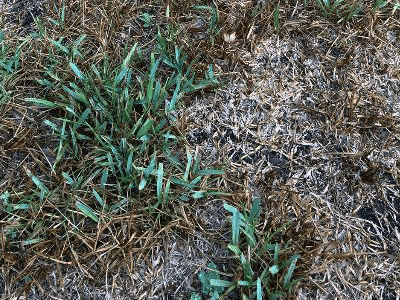
Catching chinch bugs early is the key to saving your lawn. Learn the earliest warning signs, two simple ways to confirm an infestation, and how to prevent chinch bugs from taking hold in the first place.

Pests
Learn how to identify aquatic midges and reduce swarms near your home with tips from TruCore Pest Protection.

Prevention
Learn how to spot sod webworm damage in your Florida lawn and the best treatment and prevention options from TruCore Pest Protection.