
With over 15 years of experience, we are committed to delivering local, quality, and trusted pest control solutions to our customers.

.png)
Plaster bagworms, also known as household casebearers, are common pests in Florida. These small insects can be a nuisance, especially if they find their way into your home. In this post, we’ll discuss how to identify plaster bagworms and provide effective strategies to manage and prevent infestations.

What Are Plaster Bagworms?
Plaster bagworms are the larval stage of a moth species called Phereoeca uterella. These larvae create small, protective cases out of silk and debris, which they carry around as they move. They can be found on walls, ceilings, and other surfaces inside homes.
Identification
• Appearance: Plaster bagworms are small, cylindrical larvae that measure about 1/4 to 1/2 inch in length. Their protective cases are grayish or brownish and often covered with dust and debris.
• Location: You can typically find them on walls, ceilings, and in closets. They are often mistaken for lint or small pieces of debris.
Management and Prevention
1. Regular Cleaning
• Vacuum and dust regularly to remove plaster bagworm cases and reduce their food sources.
• Pay special attention to areas where they are commonly found, such as walls, ceilings, and closets.

2. Reduce Humidity
• Plaster bagworms thrive in humid environments. Use dehumidifiers and ensure proper ventilation in your home to reduce moisture levels.
3. Seal Cracks and Gaps
• Inspect your home for cracks and gaps where plaster bagworms might enter. Seal these openings with caulk or weatherstripping to prevent infestations.
4. Pest Control Treatments
• For severe infestations, consider professional pest control treatments. TruCore Pest Protection offers effective pest control solutions tailored to your needs.
Conclusion
Plaster bagworms can be a persistent nuisance in Florida homes, but with regular cleaning, humidity control, and proper sealing, you can keep them at bay. If you need professional assistance, TruCore Pest Protection is here to help. Visit our Contact Us page or call us at 904-240-1464 for expert pest control services.

Prevention
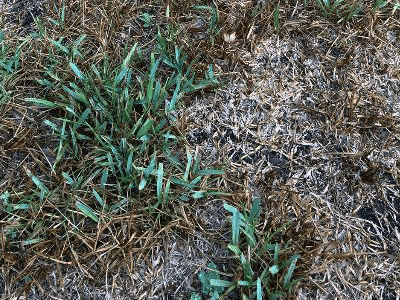
Catching chinch bugs early is the key to saving your lawn. Learn the earliest warning signs, two simple ways to confirm an infestation, and how to prevent chinch bugs from taking hold in the first place.

Pests
Learn how to identify aquatic midges and reduce swarms near your home with tips from TruCore Pest Protection.

Prevention
Learn how to spot sod webworm damage in your Florida lawn and the best treatment and prevention options from TruCore Pest Protection.