
With over 15 years of experience, we are committed to delivering local, quality, and trusted pest control solutions to our customers.

.png)
House Centipede Bites: What You Need to Know
House centipedes are common household pests that can be alarming due to their appearance and speed. While they are generally not harmful, their bites can cause discomfort. Here’s what you need to know about house centipede bites, their symptoms, and how to prevent them.
Identifying House Centipedes
• Appearance: House centipedes have elongated, segmented bodies with numerous long legs. They are typically yellowish-gray with dark stripes running along their body.
• Size: They can grow up to 1.5 inches in length, with legs extending much longer.
Symptoms of House Centipede Bites
• Pain and Swelling: Bites can cause mild to moderate pain and localized swelling.
• Redness and Itching: The bite area may become red and itchy.
• Rare Reactions: In rare cases, individuals may experience an allergic reaction, leading to more severe symptoms such as difficulty breathing.
Preventing House Centipede Bites
1. Reduce Moisture
• Dehumidifiers: Use dehumidifiers in damp areas of your home to reduce moisture levels.
• Fix Leaks: Repair any leaks in pipes, faucets, and air conditioning units.
2. Seal Entry Points
• Inspect and Seal: Check for cracks and gaps around doors, windows, and the foundation of your home. Seal these openings with caulk or weatherstripping.
3. Maintain Cleanliness
• Regular Cleaning: Keep your home clean and free of clutter where centipedes might hide. Regularly clean areas such as basements and bathrooms.
• Remove Food Sources: Keep food sealed and dispose of garbage regularly to avoid attracting other pests that centipedes prey on.
4. Use Traps and Insecticides
• Sticky Traps: Place sticky traps in areas where you’ve seen centipede activity.
• Insecticides: Use insecticides labeled for centipede control in areas where they are likely to hide.
5. Professional Pest Control
• Seek Help: For severe infestations or if you’re unsure how to handle centipedes, contact a professional pest control service. TruCore Pest Protection offers expert solutions to manage centipede populations and keep your home safe.
Conclusion
House centipede bites can cause discomfort, but they are generally not harmful. By following these prevention tips, you can minimize the risk of encountering house centipedes in your home. If you need professional assistance, TruCore Pest Protection is here to help. Visit our Contact Us page or call us at 904-240-1464 for expert pest control services.

Prevention
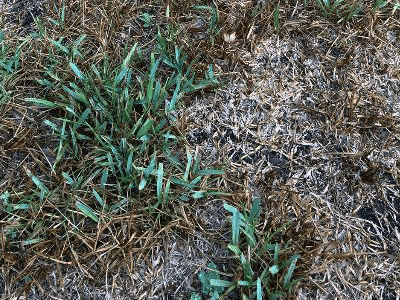
Catching chinch bugs early is the key to saving your lawn. Learn the earliest warning signs, two simple ways to confirm an infestation, and how to prevent chinch bugs from taking hold in the first place.

Pests
Learn how to identify aquatic midges and reduce swarms near your home with tips from TruCore Pest Protection.

Prevention
Learn how to spot sod webworm damage in your Florida lawn and the best treatment and prevention options from TruCore Pest Protection.