
With over 15 years of experience, we are committed to delivering local, quality, and trusted pest control solutions to our customers.

.png)
Flying Ant vs. Termite: Key Differences
Flying ants and termites are often confused due to their similar appearance, but there are key differences that can help you identify and manage these pests effectively. Here’s how to tell them apart and protect your home from potential infestations.
Physical Differences
1. Antennae
• Flying Ants: Have bent or elbowed antennae.
• Termites: Have straight, beaded antennae.
2. Body Shape
• Flying Ants: Have a narrow, pinched waist.
• Termites: Have a broad, straight waist.
3. Wings
• Flying Ants: Have unequal wing sizes, with the front wings larger than the back wings.
• Termites: Have equal wing sizes, and both pairs are of similar length.
Behavioral Differences
1. Nesting Habits
• Flying Ants: Typically nest in soil, wood, or inside walls and foundations.
• Termites: Often nest in soil or wood and create mud tubes for moisture and protection.
2. Feeding Habits
• Flying Ants: Feed on a variety of foods, including sweets, proteins, and other insects.
• Termites: Primarily feed on cellulose found in wood, paper, and other plant materials.
Prevention and Control
1. Regular Inspections
• Conduct regular inspections of your home, especially in areas prone to moisture and wood damage. Look for signs of ant or termite activity, such as discarded wings, mud tubes, and wood damage.
2. Moisture Control
• Fix leaks and ensure proper drainage around your home. Use dehumidifiers in damp areas to reduce moisture levels.
3. Sealing Entry Points
• Seal cracks and gaps around doors, windows, and the foundation of your home to prevent entry.
4. Professional Pest Control
• For accurate identification and effective treatment, contact a professional pest control service. TruCore Pest Protection offers expert solutions to manage flying ants and termites.
Conclusion
Understanding the key differences between flying ants and termites is essential for effective pest management. Regular inspections, moisture control, and professional pest control services can help protect your home from infestations. If you need assistance, TruCore Pest Protection is here to help. Visit our Contact Us page or call us at 904-240-1464 for expert pest control services.

Prevention
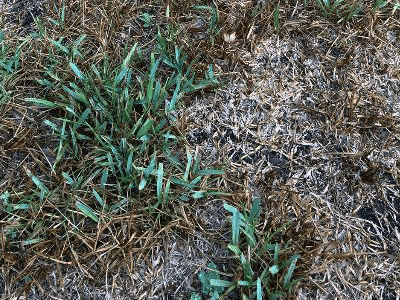
Catching chinch bugs early is the key to saving your lawn. Learn the earliest warning signs, two simple ways to confirm an infestation, and how to prevent chinch bugs from taking hold in the first place.

Pests
Learn how to identify aquatic midges and reduce swarms near your home with tips from TruCore Pest Protection.

Prevention
Learn how to spot sod webworm damage in your Florida lawn and the best treatment and prevention options from TruCore Pest Protection.