
With over 15 years of experience, we are committed to delivering local, quality, and trusted pest control solutions to our customers.


Florida Blue Centipede: What You Need to Know
The Florida blue centipede is a unique and intriguing creature found in many parts of Florida. While these centipedes can be beneficial by preying on other pests, they can also pose a threat if they invade your home. Here’s what you need to know about the Florida blue centipede, including identification, behavior, and safety tips.
Identification
• Appearance: The Florida blue centipede is typically blue or bluish-green with yellow legs. They have elongated, segmented bodies with numerous legs that allow them to move quickly.
• Size: These centipedes can grow up to 3 inches in length, making them one of the larger centipede species found in Florida.
Behavior
• Habitat: Florida blue centipedes prefer damp, dark environments such as under rocks, logs, and leaf litter. They can also be found in basements, bathrooms, and other areas with high humidity.
• Diet: These centipedes are carnivorous and feed on insects, spiders, and other small arthropods. Their presence can help control other pest populations.
Safety Tips
1. Avoid Contact
• Bites: While centipede bites are rare, they can occur if the centipede feels threatened. Bites can cause mild to moderate pain and localized swelling. If bitten, clean the wound with soap and water and apply a cold compress to reduce swelling.
2. Control Humidity
• Reduce Moisture: Use dehumidifiers in damp areas of your home to reduce humidity levels. Fix any leaks and ensure proper ventilation in bathrooms and basements.
3. Seal Entry Points
• Prevent Entry: Inspect your home for cracks and gaps where centipedes might enter. Seal these openings with caulk or weatherstripping to prevent infestations.
4. Regular Cleaning
• Eliminate Hiding Spots: Keep your home clean and free of clutter where centipedes might hide. Regularly clean areas such as basements and bathrooms.
5. Professional Pest Control
• Seek Help: For severe infestations or if you’re unsure how to handle centipedes, contact a professional pest control service. TruCore Pest Protection offers expert solutions to manage centipede populations and keep your home safe.
Conclusion
The Florida blue centipede can be both beneficial and a nuisance, depending on where they are found. By following these safety tips and maintaining a clean, dry home, you can minimize the risk of centipede encounters. If you need professional assistance, TruCore Pest Protection is here to help. Visit our Contact Us page or call us at 904-240-1464 for expert pest control services.

Prevention
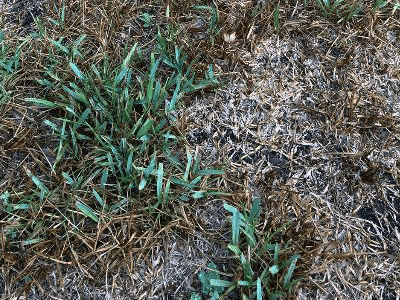
Catching chinch bugs early is the key to saving your lawn. Learn the earliest warning signs, two simple ways to confirm an infestation, and how to prevent chinch bugs from taking hold in the first place.

Pests
Learn how to identify aquatic midges and reduce swarms near your home with tips from TruCore Pest Protection.

Prevention
Learn how to spot sod webworm damage in your Florida lawn and the best treatment and prevention options from TruCore Pest Protection.